Humanoid Robot
Build a purchase-ready requirement, understand market pricing, and compare qualified Chinese manufacturers in one sourcing brief.
Find Suppliers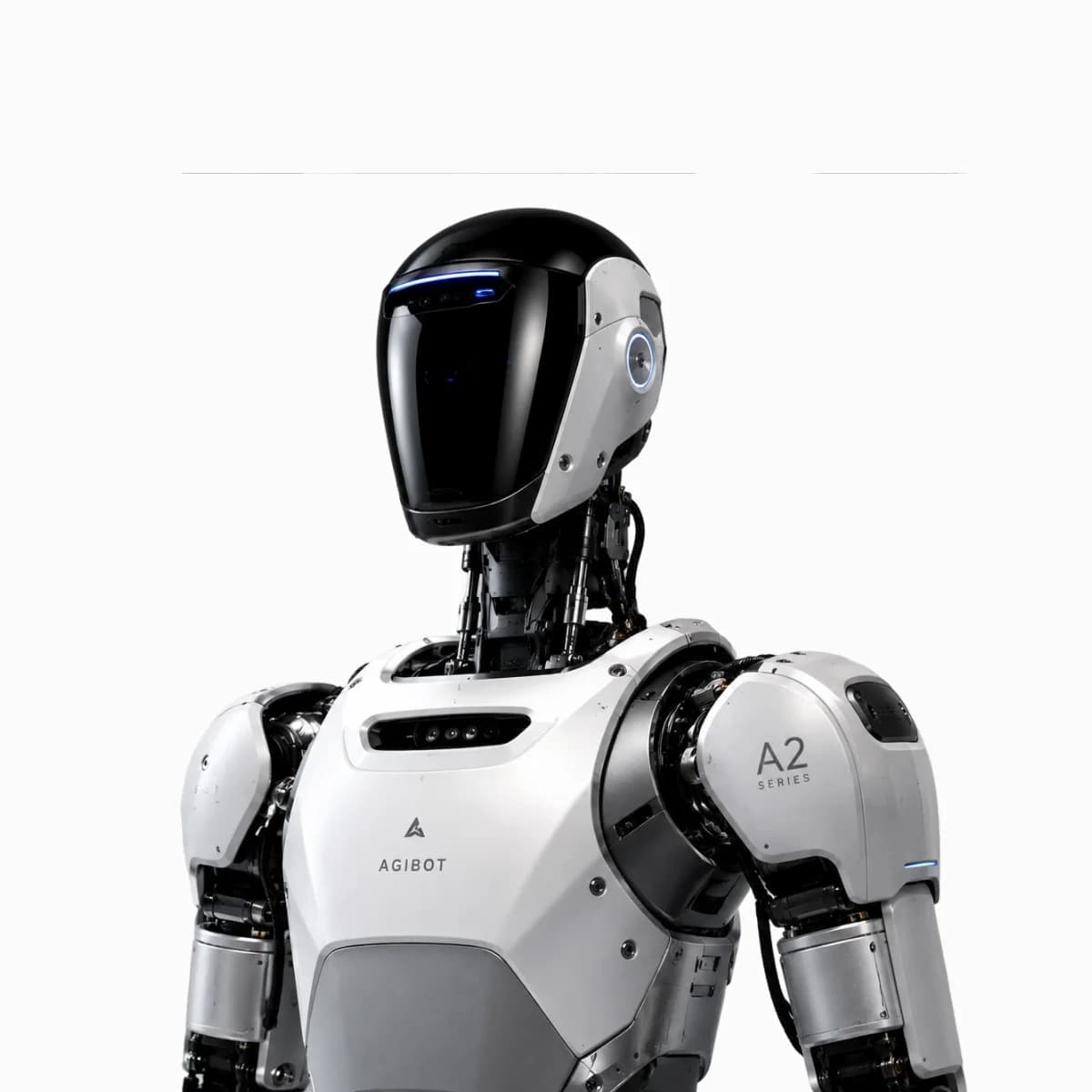
Requirement analysis
Product Analysis
Key Points of the Requirement
Define the application (industrial handling, inspection, exhibition and reception, or research), required payload and reach per arm, degrees of freedom (typically 26–43 for general-purpose platforms), walking speed and endurance on one charge, and continuous operating time. Specify the sensing suite (LiDAR, depth cameras, force-torque sensors), compute platform, dexterous-hand capability, and openness of the software stack (ROS/ROS2 support, SDK access). State safety functions, obstacle avoidance requirements, and whether on-site commissioning and training are required.
Cost Structure Analysis
Rotary joint actuators (frameless motors combined with harmonic or planetary reducers, plus drivers and encoders) typically account for half or more of the bill of materials, followed by dexterous hands, the compute module, battery, and sensing suite. Structural castings and precision machining, gait and manipulation software licensing, and final integration and testing add substantial conversion cost. Because volumes are still small, R&D amortization is significant, and unit prices fall meaningfully only at multi-unit or fleet-scale commitments.
Estimated Cost Range
Indicative pricing for Chinese general-purpose humanoid platforms is roughly $20,000–$60,000 per unit for entry-level research and reception platforms at 1–5 units, $60,000–$150,000 for higher-payload industrial-grade machines, and $150,000–$300,000 for cutting-edge configurations with advanced dexterous hands. Fleet orders of 10–50 units typically negotiate 15–30% discounts. Final quotations depend heavily on payload, hand capability, sensor specification, and service scope.
Procurement Considerations
Prioritize manufacturers that publish joint durability data (MTBF, walking-hour endurance), provide open SDKs and documentation, and guarantee spare joint and actuator supply. Require an acceptance test protocol covering continuous walking duration, payload cycling, fall recovery, and battery endurance under your workload, and witness it before shipment where possible. Confirm warranty scope for joints and hands, firmware update policy, training and on-site commissioning inclusion, export documentation, Incoterms, and delivery destination.
Supplier shortlist
Top 3 matched suppliers
A comparison-ready shortlist balancing quality systems, product capability, capacity, and commercial flexibility.
#1 recommended
UBTECH Robotics Corp Ltd
A global leader in humanoid robotics and AI, UBTECH specializes in the research, development, and commercialization of intelligent humanoid robots for education, entertainment, and industrial logistics. Their flagship Walker series is one of the most advanced commercially available humanoid robots.
#2 recommended
Hangzhou Yushu Technology Co., Ltd.
Commonly known as Unitree, this company is a world-renowned developer of high-performance quadruped and bipedal robots. They have recently gained significant attention for their H1 and G1 humanoid models, which feature advanced balance and mobility capabilities.
#3 recommended
Fourier Intelligence Co., Ltd.
Originally focused on rehabilitation robotics, Fourier Intelligence has pivoted towards general-purpose humanoid robots. Their GR-1 model is designed for a variety of applications including healthcare, research, and disaster relief, featuring high torque density actuators.
Put in a Requirement to Find Better Matches
Add only the product details that matter to you to receive a more relevant supplier shortlist.